









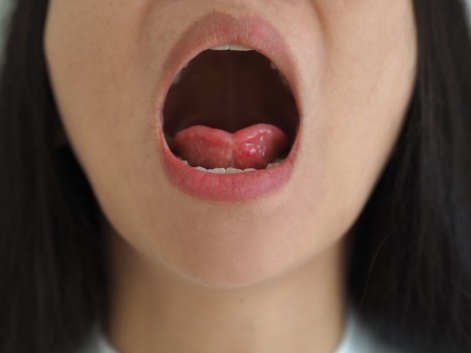
As an adult, living with a lip or tongue-tie can be problematic. Although it may be something you’ve struggled with throughout your life, the challenges of eating, speaking, and socializing can become increasingly difficult as you get older. Fortunately, there is a solution that can remedy the problem once and for all – a frenectomy. Keep reading to discover the purpose of this treatment and how it can improve your overall quality of life.
What Are Common Symptoms Associated with Lip or Tongue-Tie?
Although you may already be struggling with eating certain foods and being unable to speak clearly, other symptoms can be associated with these banded tissues, such as:
- Frequent headaches or migraines
- Overcrowded teeth
- Indigestion
- Low self-esteem because of gapped teeth
- Overbite
- Pain throughout your head, neck, and jaw
- Increased risk of tooth decay and gum disease
Why Do Adults Develop a Lip or Tongue-Tie?
Lip and tongue-ties, otherwise known as tethered oral tissues (TOTS) or simply banded tissues, do not randomly form during adulthood. Instead, they are present after birth; however, if treated is avoided or dismissed during infancy and childhood, more serious problems can manifest later in life.
As you begin to develop more complex linguistics and eat a denser, more varied diet, you may begin to notice how challenging it can become to live with a lip or tongue-tie as an adult.
What is a Frenectomy & How Can It Help?
The good news is that you don’t have to continue living with this problem. Instead, you can meet with a trusted dentist who is skilled and trained to provide lip and tongue-tie treatment. Referred to as a frenectomy, the procedure is fast and highly effective.
While many dentists use traditional scalpels and sutures to perform the surgery, others turn to more advanced technologies such as the dental soft tissue laser. Designed for a more comfortable approach to treatment, this device contains a concentrated beam of light that quickly releases the banded tissue underneath the tongue or behind the upper lip, allowing for greater oral movement and range of motion.
As the laser lacerates the tissue, it will cauterize the area as well, reducing the amount of bleeding and swelling you might otherwise experience.
Treating your lip or tongue-tie as an adult can be one of the best decisions you’ll make as it concerns your oral and overall health. By addressing it now, you can maintain a greater sense of self-confidence no matter who you’re around.
About the Author
Dr. Lindsey McElligott is a Lexington dentist who earned her dental degree in 2008 from Tufts University School of Dental Medicine. Passionate about treating children and adults who suffer from lip and tongue-ties, she uses dental lasers to improve oral movement by releasing these bands of tissue. As a result, individuals can begin to experience a better quality of life. If you or a loved one have a lip or tongue-tie that needs to be addressed, contact us at (781) 861-7645.