







Effects of Missing Teeth

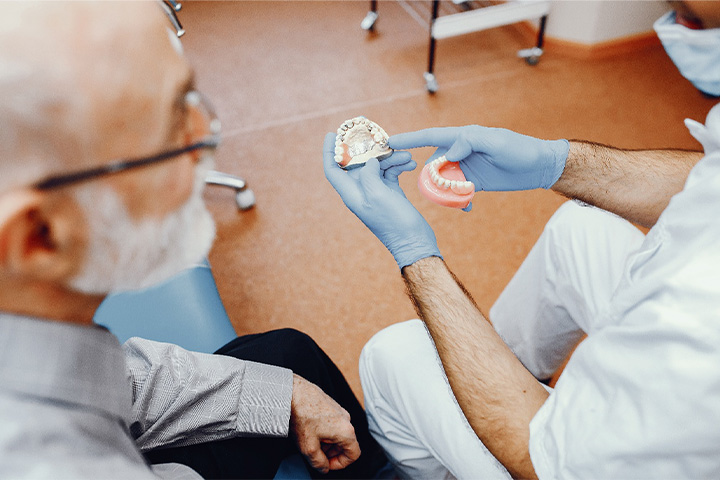
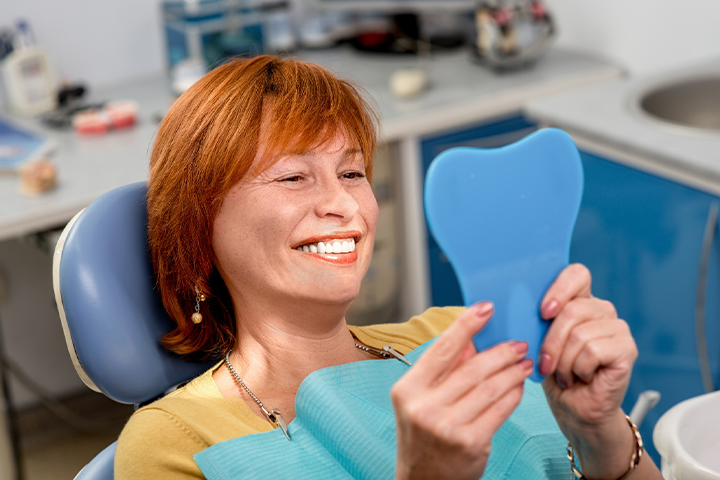
People often lose teeth due to injuries or untreated oral infections, and neglecting to replace them promptly can lead to a host of oral and overall health issues like gum injuries, misalignments, uneven enamel erosion, TMJ issues, malnutrition, indigestion, and further tooth loss. Dentures are often a fantastic way to reduce the risk of experiencing these issues while improving the patient’s appearance, confidence, and chewing ability.
What Qualifies You for Dentures?

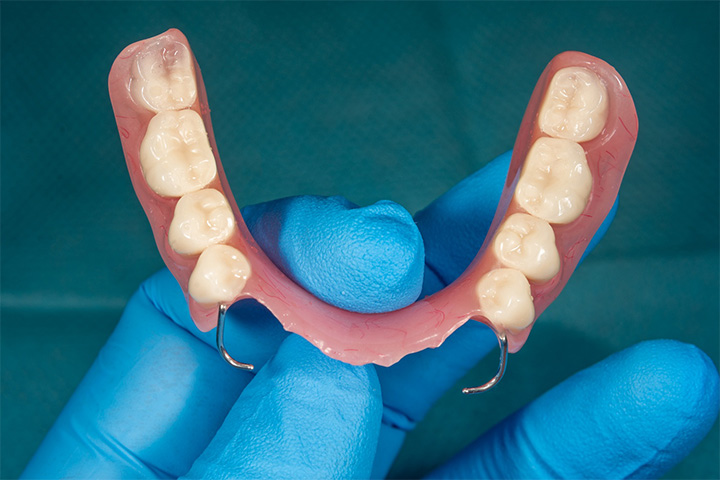
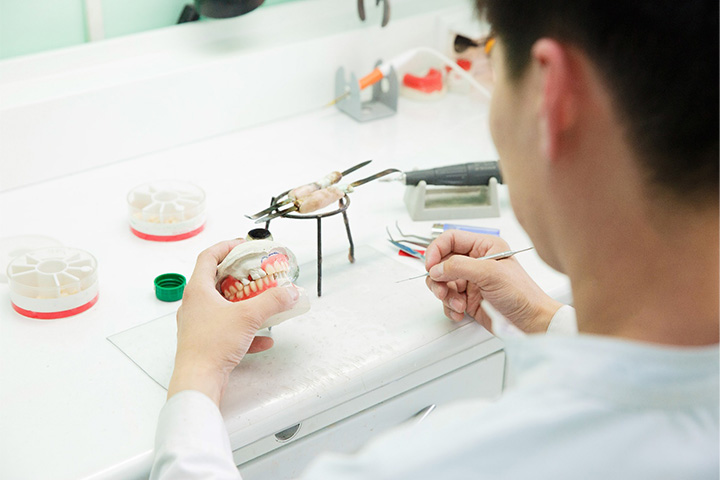
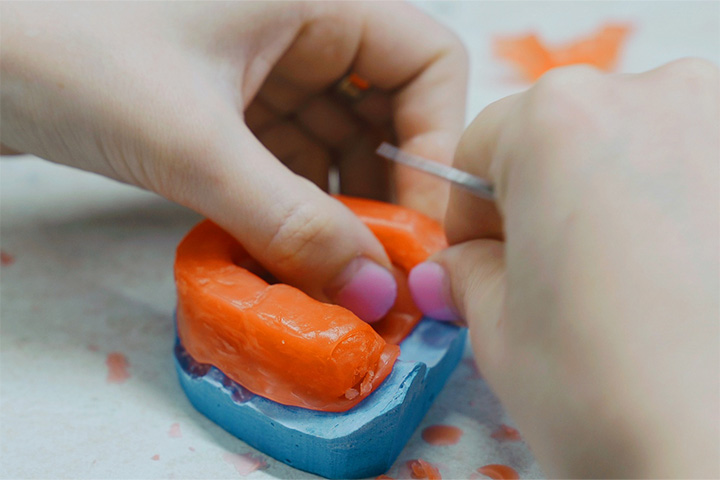
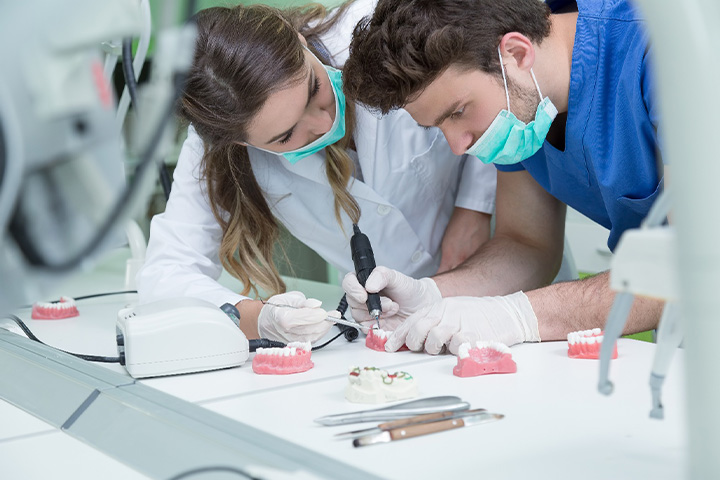
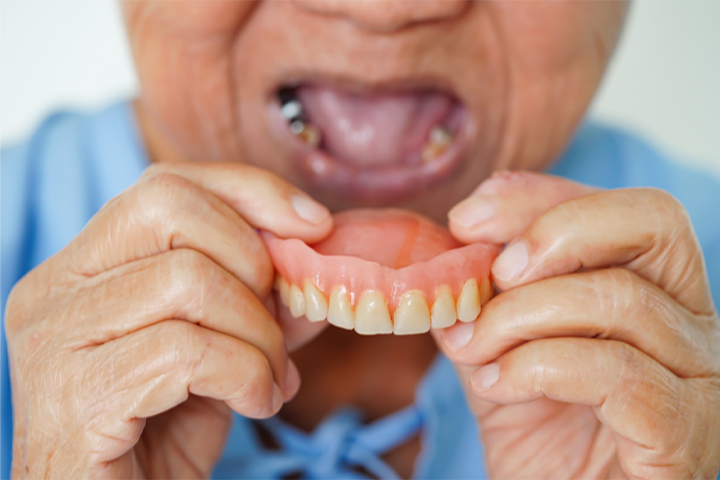
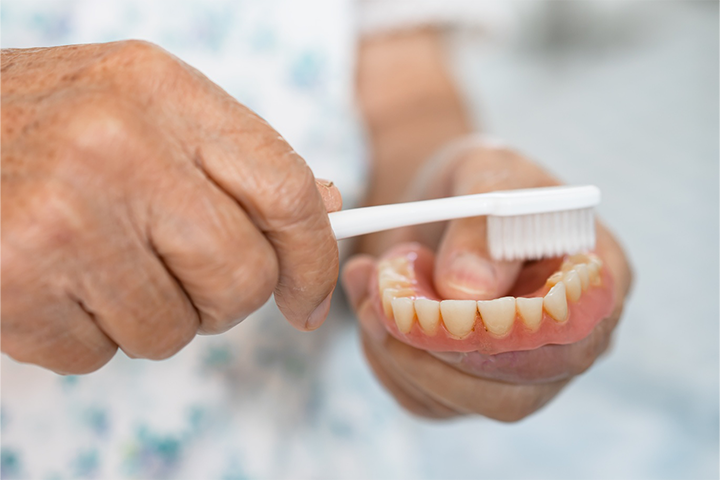
Dentures can be a fantastic option for patients who have experienced extensive tooth loss or who have teeth compromised by decay as long as their gums and jawbones are sufficiently healthy. A patient who receives dentures will need to commit to a rigorous oral hygiene and appliance maintenance regimen to keep their device in great shape and avoid destructive oral infections. Depending on how many teeth you are missing, you may need a partial or full denture, and implant dentures can be an excellent way to maximize your chewing power. Dentures are often an especially affordable way to replace lost teeth, which makes them great for patients on a budget.
Alternative Tooth-Replacement Options
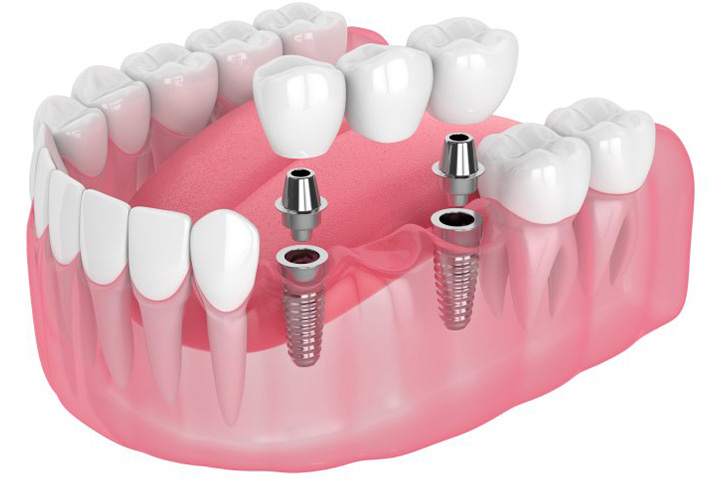
Dentures aren’t the best option for everyone, and we’re eager to make sure we find the most suitable ways to keep all our patients’ smiles healthy and beautiful. We offer other tooth-replacement options like:
- Dental bridges: These devices can replace one or several missing teeth in a row, but they must be anchored in place with dental implants inserted into the jawbone or dental crowns placed on healthy teeth on either side of the empty space.
- Dental implants: These devices are surgically inserted into the jawbone so they can support lifelike restorations like dentures, bridges, and crowns. While the process is more costly and time-intensive than receiving traditional dentures, implant-supported restorations deliver superior chewing power and may last for life with proper care.